
Strategies to Build a Positive Home and School Relationship: The Key to Student Success
Family engagement allows teachers to better understand and support their students.






Director of Scientific Affairs at Boston Strategic Partners

Author & Founder of Novak Education

Co-Founder & CEO of MARIO Education


Ball State University

Penn State University

Growing Minds Consulting, LLC

Practical Psychological Services

University of Colorado, Colorado Springs

University of Houston-Clear Lake
Penn State University

University of Winchester
Practical Psychological Services

Kristianstad University, Faculty of Education
University of Houston-Clear Lake

Malmö University
University of Winchester

Linneaus University
Kristianstad University, Faculty of Education

Point Loma Nazarene University
Malmö University

Monash University
Family engagement allows teachers to better understand and support their students.
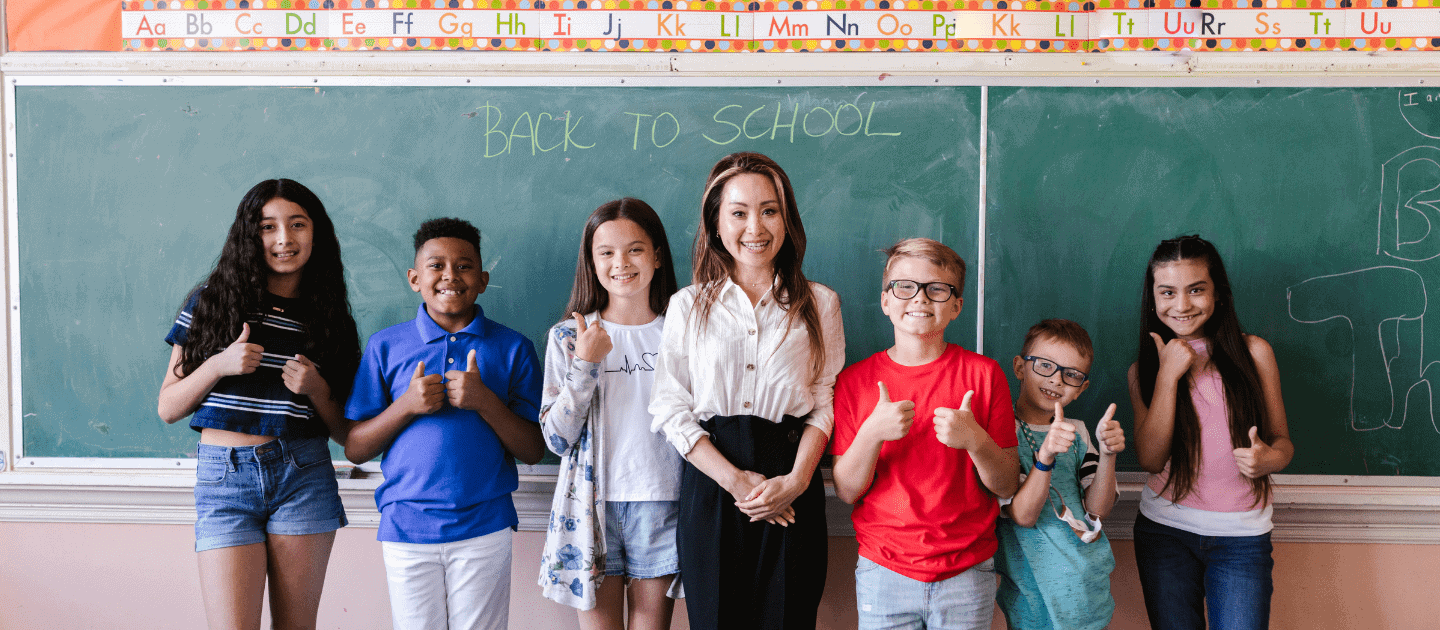
Teachers sometimes treat their students differently from one another, focusing more on the low-performing students.

It is important to establish that difficulties are part of learning and that disfluency can open up possibilities for identity exploration. Virtual learning environments (VLEs) can be designed in such a way that they support this exploration, by looking at features such as gamification, engagement and connection, and learning supports.
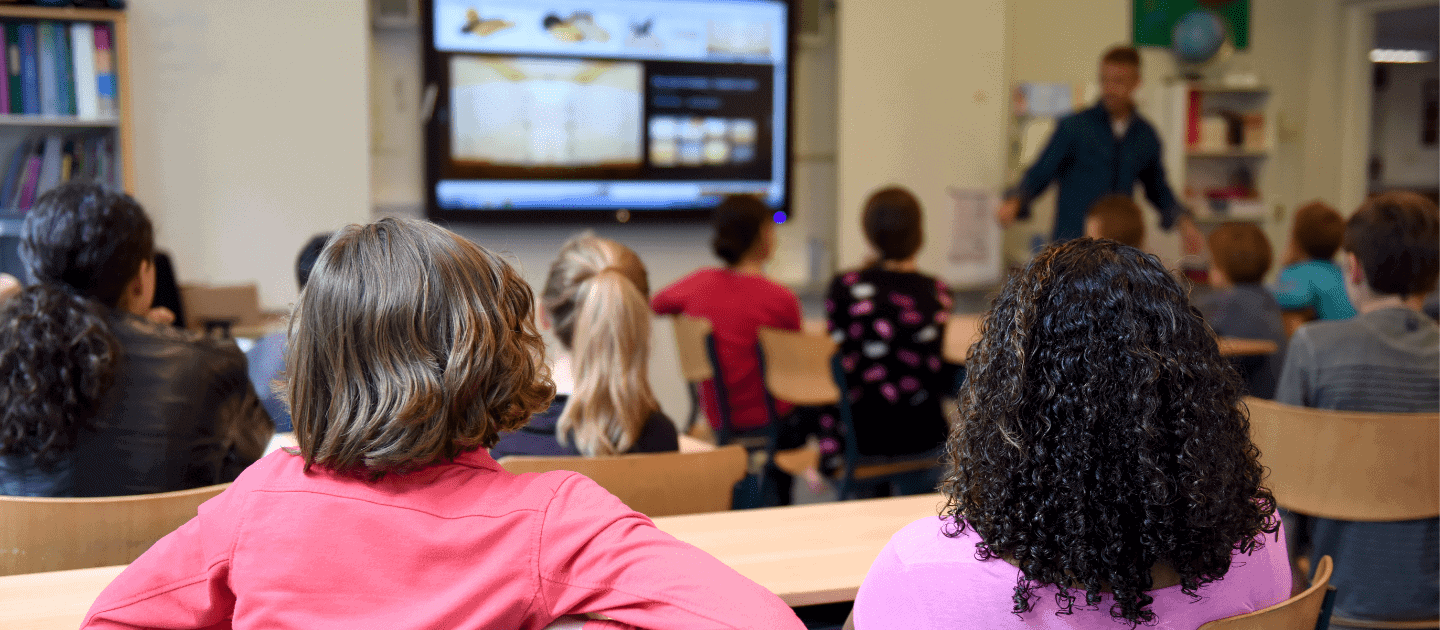
Acknowledgment of the power of social media and one’s self-image in driving a teacher’s self-directed and informal professional development, in addition to teacher’s ability to improve their teaching and learning practices, positively influences informal training across an organization.
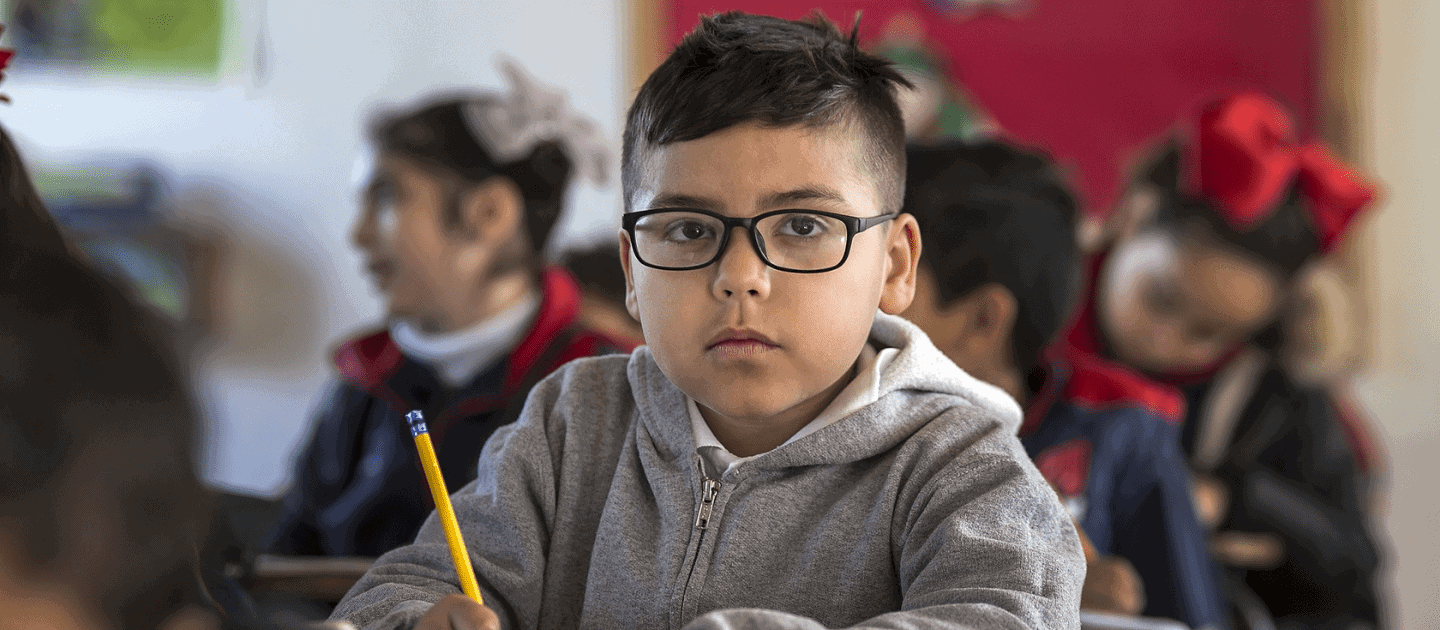
As students return to a more normal school routine, IEP teams will have to reassess students’ Present Level of Performance (PLOP) and likely conduct reassessment and revision of IEPs.
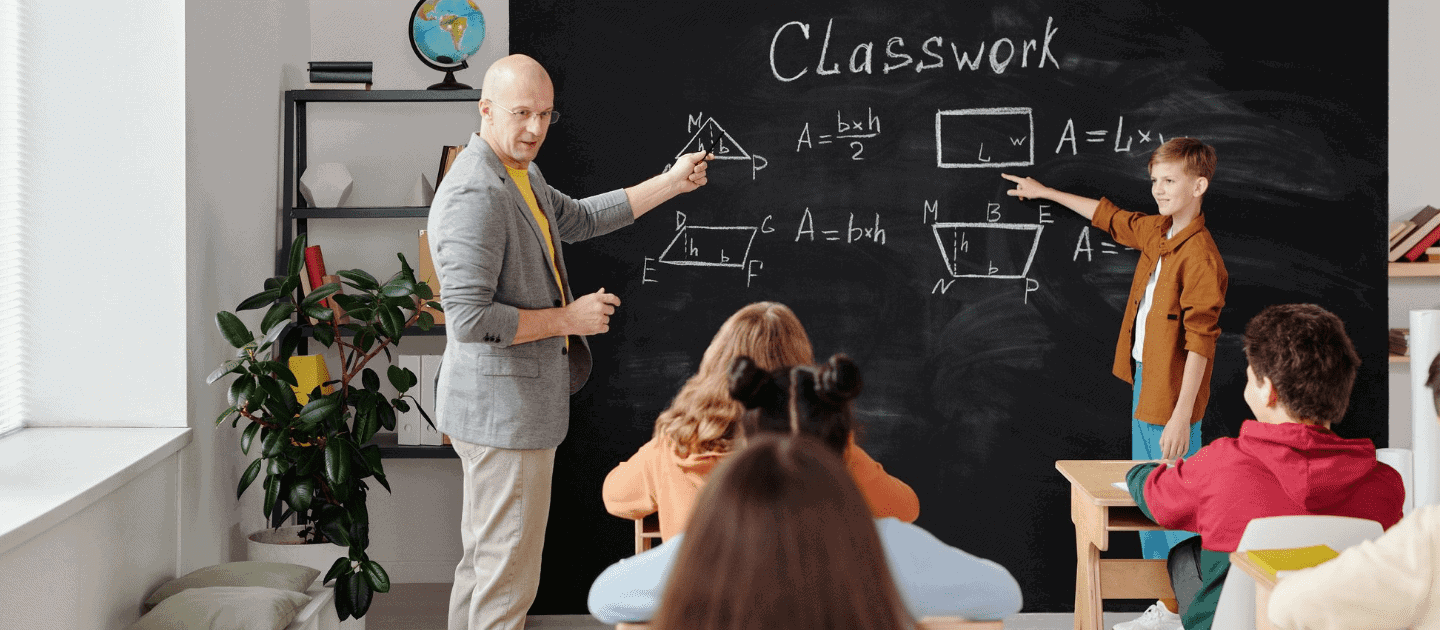
Teacher attitudes, beliefs, and perceptions are critical in how they have the potential to contribute to or reduce educational inequalities.

When students determine their own goals and design their own rubrics for measuring outcomes, goal attainment is dependent on whether the student’s rating or the teacher’s rating is utilized as the outcome measure.

Having regular pedagogical conversations with trusted peers or leaders can lead to a deeper understanding of their field of study, and in turn to the success of the academic program.

In evaluating the intervention strategies we employ with students, we must consider both global effectiveness and effectiveness for target populations, as the success of the intervention may differ depending on the student population it is serving.
Family engagement allows teachers to better understand and support their students.
Teachers sometimes treat their students differently from one another, focusing more on the low-performing students.
It is important to establish that difficulties are part of learning and that disfluency can open up possibilities for identity exploration. Virtual learning environments (VLEs) can be designed in such a way that they support this exploration, by looking at features such as gamification, engagement and connection, and learning supports.
Acknowledgment of the power of social media and one’s self-image in driving a teacher’s self-directed and informal professional development, in addition to teacher’s ability to improve their teaching and learning practices, positively influences informal training across an organization.
As students return to a more normal school routine, IEP teams will have to reassess students’ Present Level of Performance (PLOP) and likely conduct reassessment and revision of IEPs.
Teacher attitudes, beliefs, and perceptions are critical in how they have the potential to contribute to or reduce educational inequalities.
When students determine their own goals and design their own rubrics for measuring outcomes, goal attainment is dependent on whether the student’s rating or the teacher’s rating is utilized as the outcome measure.
Having regular pedagogical conversations with trusted peers or leaders can lead to a deeper understanding of their field of study, and in turn to the success of the academic program.
In evaluating the intervention strategies we employ with students, we must consider both global effectiveness and effectiveness for target populations, as the success of the intervention may differ depending on the student population it is serving.