Tier 2 Behavior Interventions: By the Student, for the Student
When designing Tier 2 behavior interventions, student participation and feedback in the process increases effectiveness as student investment increases with involvement.





Director of Scientific Affairs at Boston Strategic Partners

Author & Founder of Novak Education

Co-Founder & CEO of MARIO Education


Ball State University

Penn State University

Growing Minds Consulting, LLC

Practical Psychological Services

University of Colorado, Colorado Springs

University of Houston-Clear Lake
Penn State University

University of Winchester
Practical Psychological Services

Kristianstad University, Faculty of Education
University of Houston-Clear Lake

Malmö University
University of Winchester

Linneaus University
Kristianstad University, Faculty of Education

Point Loma Nazarene University
Malmö University

Monash University
When designing Tier 2 behavior interventions, student participation and feedback in the process increases effectiveness as student investment increases with involvement.
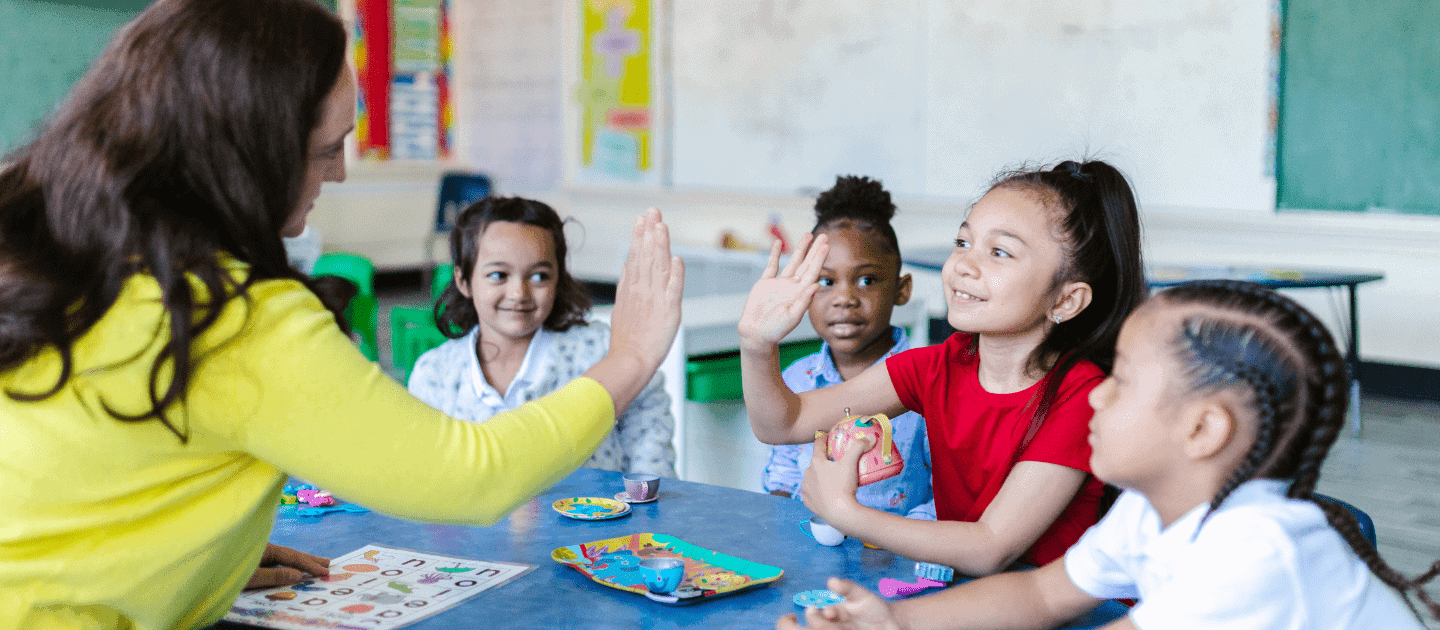
When implementing a tiered model of prevention, such as the comprehensive, integrated, three-tiered model, it is important to attend systematically to the elements that can positively impact the success of the model.
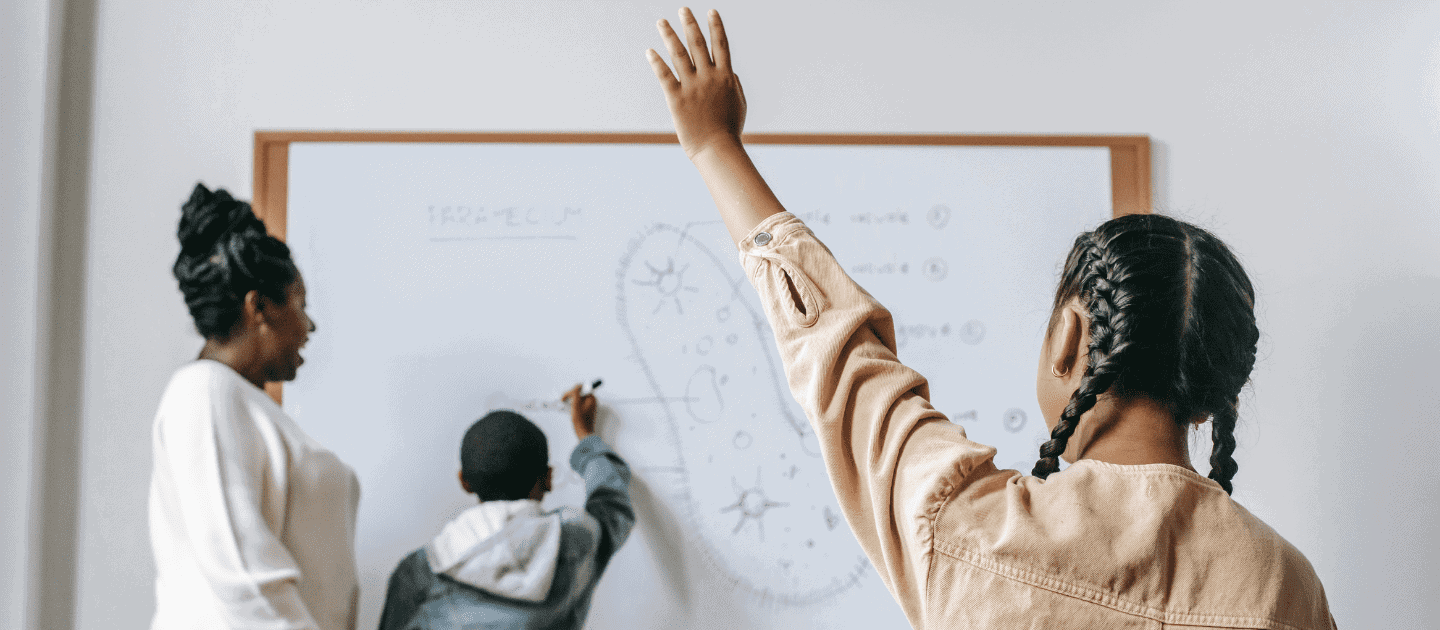
Students often set goals based on teacher expectations. In this study, the implementation of the Self-Determined Learning Model of Instruction (SDLMI) led to students setting a lack of academic or social goals and an abundance of home living goals; this may suggest lower adult expectations for students with significant support needs.

As educators, we need to put more emphasis on creating a balance between gaining proficiency as a teacher and as a subject specialist.

Children with reading disorder (RD) have an increased risk of anxiety disorders, the most common mental health disorder in children.
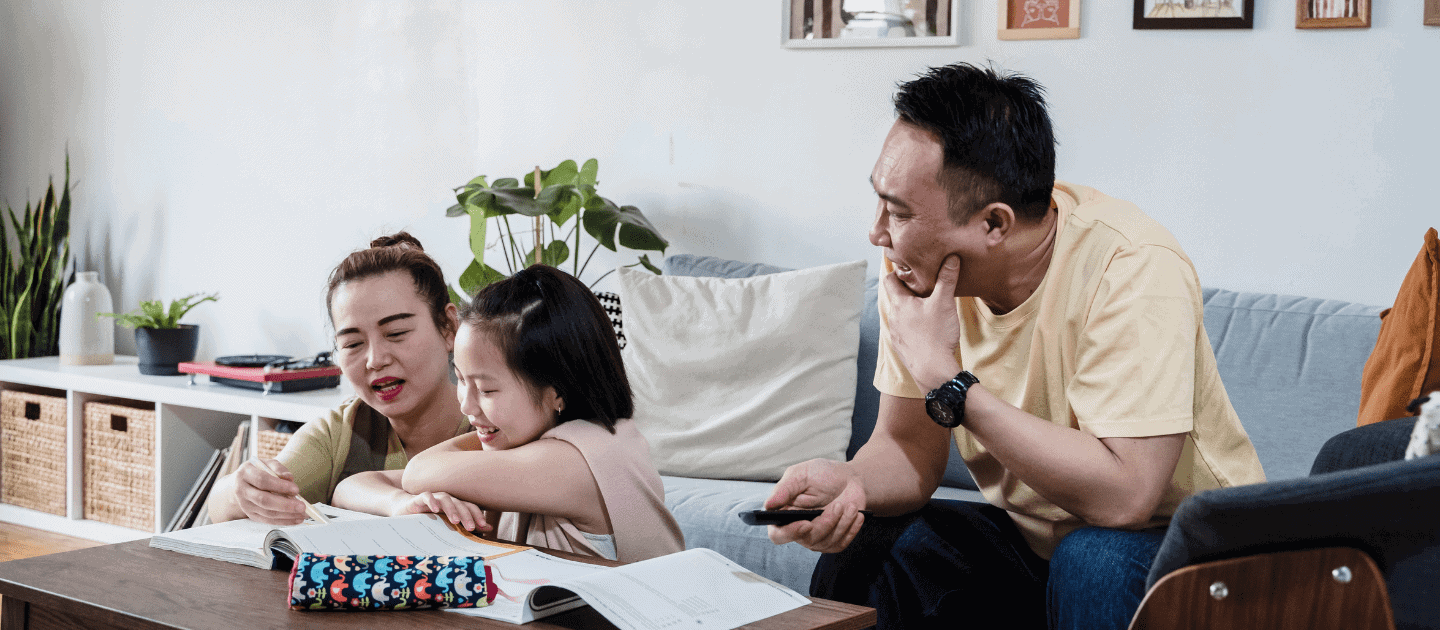
Family engagement allows teachers to better understand and support their students.
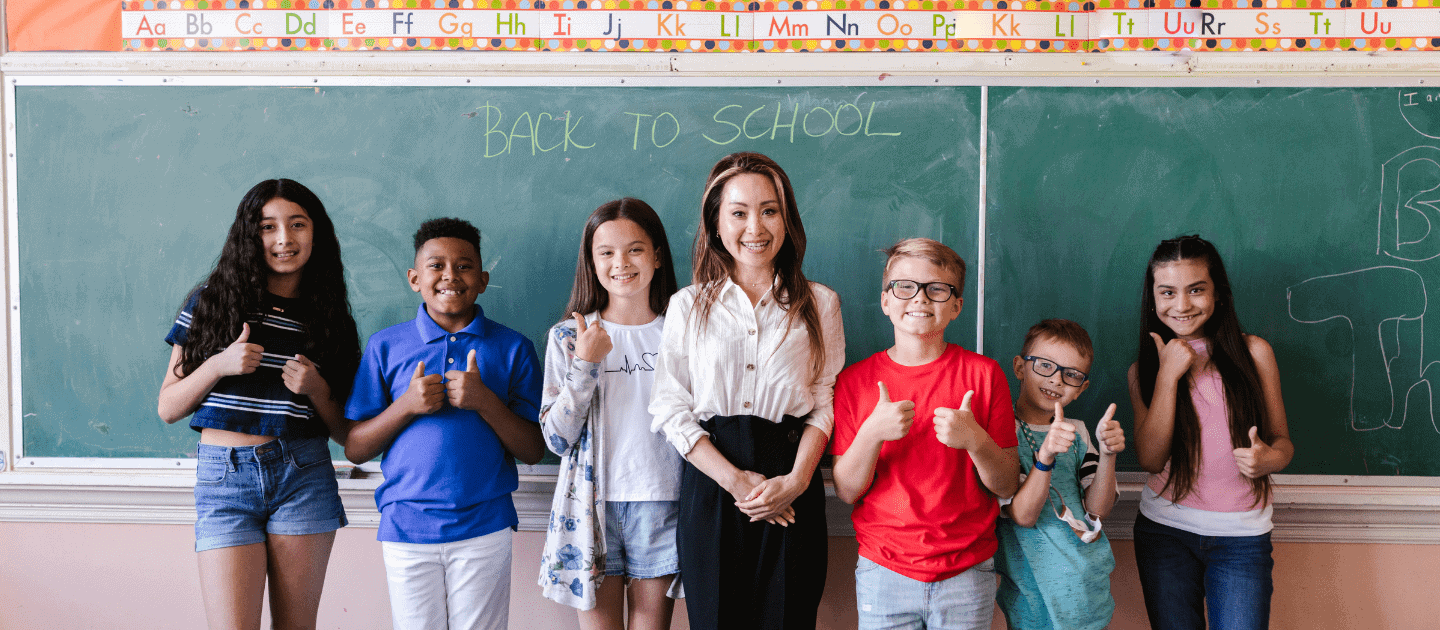
Teachers sometimes treat their students differently from one another, focusing more on the low-performing students.

It is important to establish that difficulties are part of learning and that disfluency can open up possibilities for identity exploration. Virtual learning environments (VLEs) can be designed in such a way that they support this exploration, by looking at features such as gamification, engagement and connection, and learning supports.
Acknowledgment of the power of social media and one’s self-image in driving a teacher’s self-directed and informal professional development, in addition to teacher’s ability to improve their teaching and learning practices, positively influences informal training across an organization.
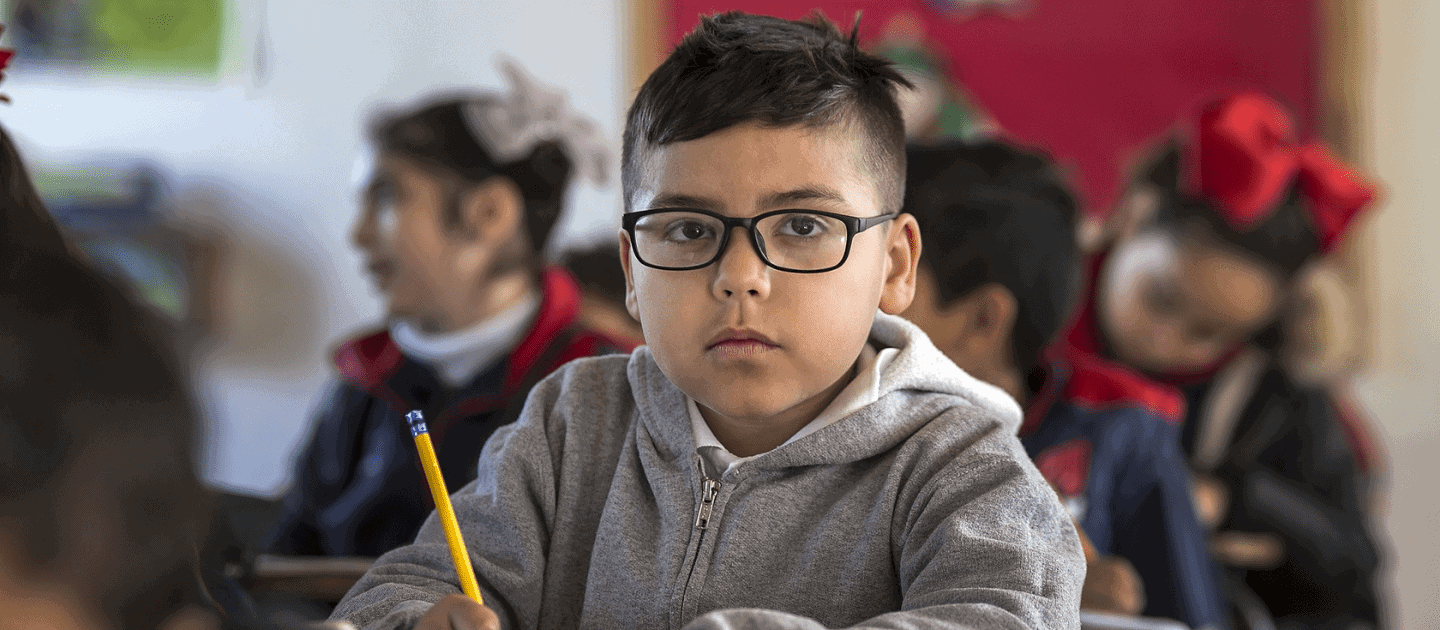
As students return to a more normal school routine, IEP teams will have to reassess students’ Present Level of Performance (PLOP) and likely conduct reassessment and revision of IEPs.
When designing Tier 2 behavior interventions, student participation and feedback in the process increases effectiveness as student investment increases with involvement.
When implementing a tiered model of prevention, such as the comprehensive, integrated, three-tiered model, it is important to attend systematically to the elements that can positively impact the success of the model.
Students often set goals based on teacher expectations. In this study, the implementation of the Self-Determined Learning Model of Instruction (SDLMI) led to students setting a lack of academic or social goals and an abundance of home living goals; this may suggest lower adult expectations for students with significant support needs.
As educators, we need to put more emphasis on creating a balance between gaining proficiency as a teacher and as a subject specialist.
Children with reading disorder (RD) have an increased risk of anxiety disorders, the most common mental health disorder in children.
Family engagement allows teachers to better understand and support their students.
Teachers sometimes treat their students differently from one another, focusing more on the low-performing students.
It is important to establish that difficulties are part of learning and that disfluency can open up possibilities for identity exploration. Virtual learning environments (VLEs) can be designed in such a way that they support this exploration, by looking at features such as gamification, engagement and connection, and learning supports.
Acknowledgment of the power of social media and one’s self-image in driving a teacher’s self-directed and informal professional development, in addition to teacher’s ability to improve their teaching and learning practices, positively influences informal training across an organization.
As students return to a more normal school routine, IEP teams will have to reassess students’ Present Level of Performance (PLOP) and likely conduct reassessment and revision of IEPs.