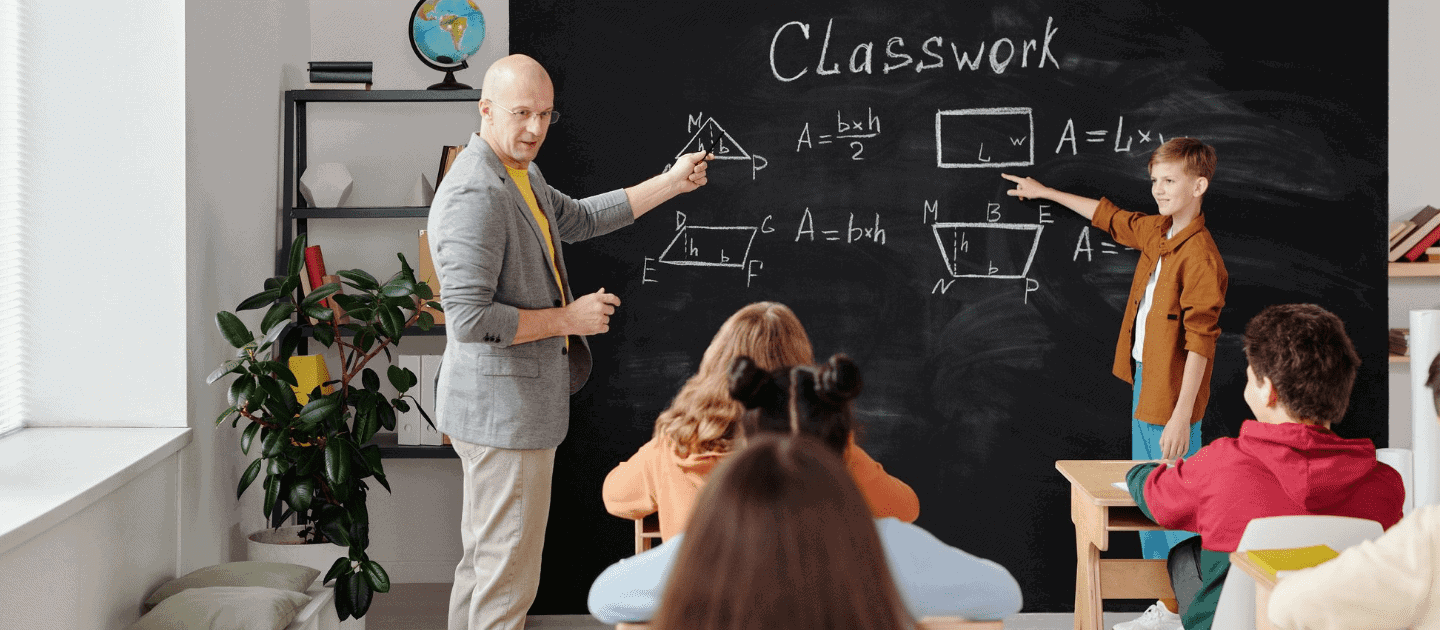
The Impact Teacher Psychology Has on Educational Inequalities
Teacher attitudes, beliefs, and perceptions are critical in how they have the potential to contribute to or reduce educational inequalities.






Director of Scientific Affairs at Boston Strategic Partners

Author & Founder of Novak Education

Co-Founder & CEO of MARIO Education


Ball State University

Penn State University
Growing Minds Consulting, LLC

Practical Psychological Services
University of Colorado, Colorado Springs

University of Houston-Clear Lake
Penn State University

University of Winchester
Practical Psychological Services

Kristianstad University, Faculty of Education
University of Houston-Clear Lake

Malmö University
University of Winchester

Linneaus University
Kristianstad University, Faculty of Education
Point Loma Nazarene University
Malmö University

Monash University
Teacher attitudes, beliefs, and perceptions are critical in how they have the potential to contribute to or reduce educational inequalities.

When students determine their own goals and design their own rubrics for measuring outcomes, goal attainment is dependent on whether the student’s rating or the teacher’s rating is utilized as the outcome measure.

Having regular pedagogical conversations with trusted peers or leaders can lead to a deeper understanding of their field of study, and in turn to the success of the academic program.

In evaluating the intervention strategies we employ with students, we must consider both global effectiveness and effectiveness for target populations, as the success of the intervention may differ depending on the student population it is serving.

Key Takeaway: In today’s globalized world, it is imperative that all students are able to use their unique voices and actively participate in conversations. In

Students with multiple disabilities (SMDs) deserve the right to communicate effectively. One way to meet their needs is to implement Augmentative and Alternative Communication (AAC), an assistive technology that enhances their inclusion into general education classrooms.

Special educators who experience more supportive working conditions reported more manageable workloads, less emotional exhaustion and stress, and felt greater self-efficacy for instruction—contributing to more frequent use of evidence-supported instructional practices to address student needs.
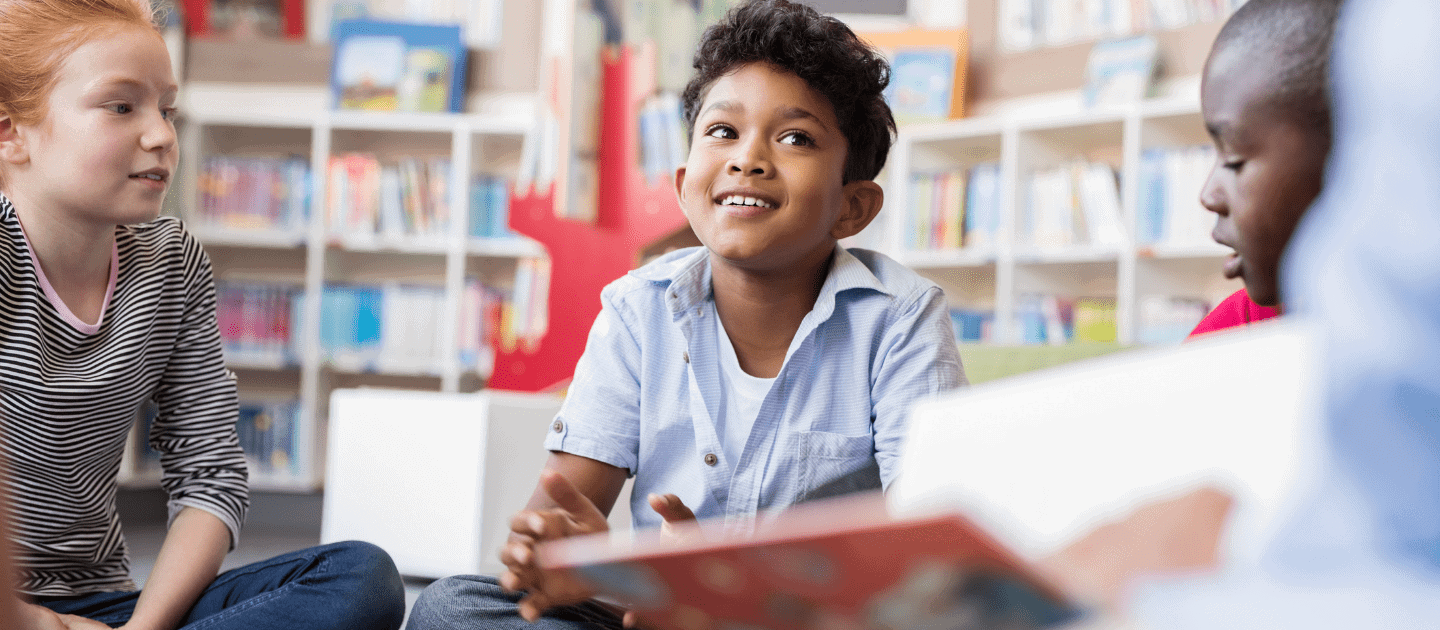
Narrative skills play a crucial role in social and academic development, yet prove challenging for students with language disorders.

Co-teaching has the demonstrated potential to positively impact the experiences and academic performance of students with disabilities in inclusive classrooms, yet numerous studies have demonstrated that without sufficient training, planning time, or instructional feedback, the potential gains are not consistently realized in practice.
Teacher attitudes, beliefs, and perceptions are critical in how they have the potential to contribute to or reduce educational inequalities.
When students determine their own goals and design their own rubrics for measuring outcomes, goal attainment is dependent on whether the student’s rating or the teacher’s rating is utilized as the outcome measure.
Having regular pedagogical conversations with trusted peers or leaders can lead to a deeper understanding of their field of study, and in turn to the success of the academic program.
In evaluating the intervention strategies we employ with students, we must consider both global effectiveness and effectiveness for target populations, as the success of the intervention may differ depending on the student population it is serving.
Key Takeaway: In today’s globalized world, it is imperative that all students are able to use their unique voices and actively participate in conversations. In
Students with multiple disabilities (SMDs) deserve the right to communicate effectively. One way to meet their needs is to implement Augmentative and Alternative Communication (AAC), an assistive technology that enhances their inclusion into general education classrooms.
Special educators who experience more supportive working conditions reported more manageable workloads, less emotional exhaustion and stress, and felt greater self-efficacy for instruction—contributing to more frequent use of evidence-supported instructional practices to address student needs.
Narrative skills play a crucial role in social and academic development, yet prove challenging for students with language disorders.
Co-teaching has the demonstrated potential to positively impact the experiences and academic performance of students with disabilities in inclusive classrooms, yet numerous studies have demonstrated that without sufficient training, planning time, or instructional feedback, the potential gains are not consistently realized in practice.