How can self-efficacy lower the levels of temptation in student learning?
Temptation can hamper engagement and perseverance directed towards a specific task and cause distractions that can impact the learning process of a student.





Director of Scientific Affairs at Boston Strategic Partners

Author & Founder of Novak Education

Co-Founder & CEO of MARIO Education


Ball State University

Penn State University
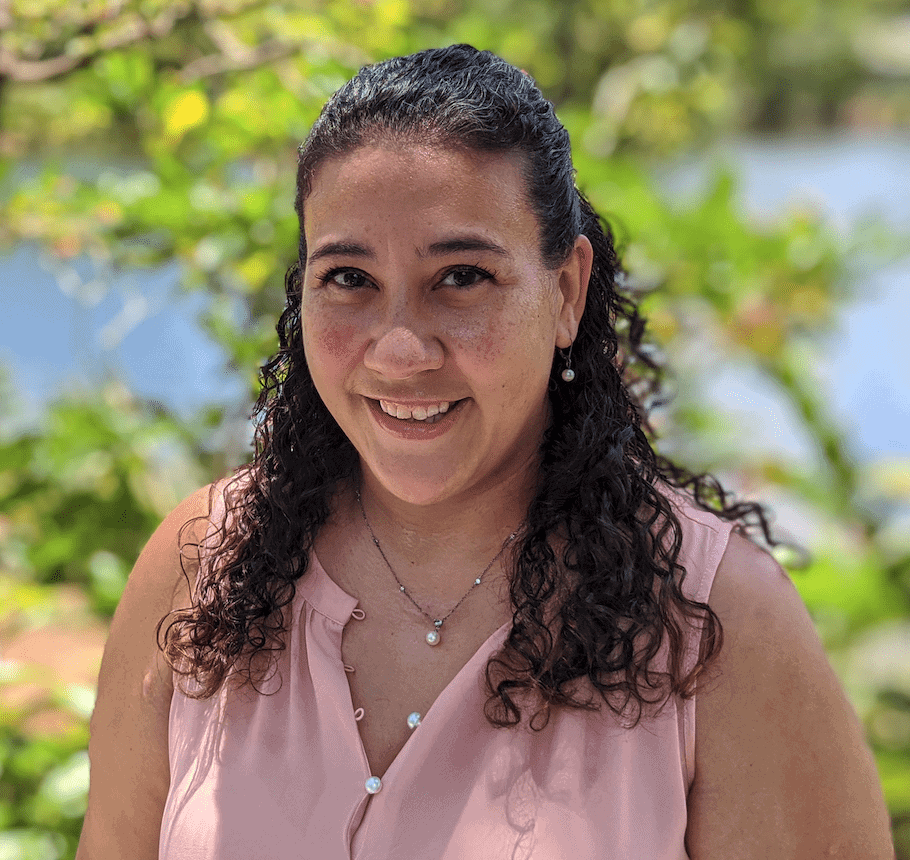
Growing Minds Consulting, LLC

Practical Psychological Services

University of Colorado, Colorado Springs

University of Houston-Clear Lake
Penn State University

University of Winchester
Practical Psychological Services

Kristianstad University, Faculty of Education
University of Houston-Clear Lake

Malmö University
University of Winchester

Linneaus University
Kristianstad University, Faculty of Education
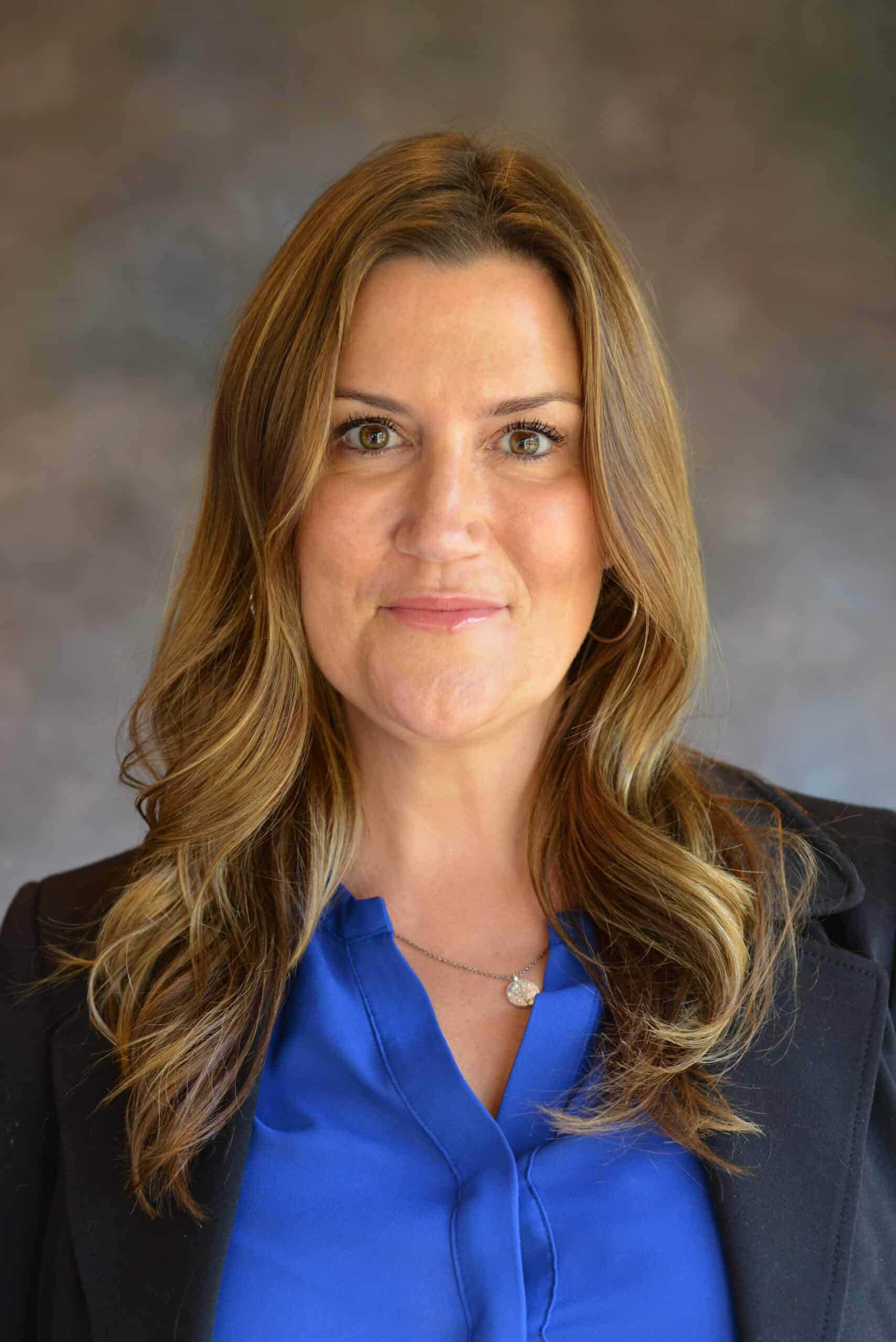
Point Loma Nazarene University
Malmö University

Monash University
Temptation can hamper engagement and perseverance directed towards a specific task and cause distractions that can impact the learning process of a student.

In an experiment conducted over two semesters (Fall 2019 and Winter 2020), research indicated how time management training increases self-control and time spent on activities, leading to more academic success. Not surprisingly, however, during the pandemic when time structures dissolved and learning went online, there was an increase in leisure time.

Schools can work across the intervention spectrum to promote emotional health and prevent the onset of depression, as well as intervene with students once they have been diagnosed with a depressive disorder.

Mind wandering has the potential to negatively impact the process of learning and has become more prevalent with the increased practice of online learning. Self-regulation interventions may be able to decrease mind wandering and should be widely taught to students.

While the COVID-19 pandemic created a so-called “new normal” for social inclusion and interactions, particularly in schools where socializing is key for student progress, this study raises the question of whether new means of communication actually improved student efficacy and communication due to the altered norms of school life.

As we consider how to structure professional development opportunities aimed at improving educator implementation of intensive intervention, it would be wise to access tools such as Desimone’s (2009) PD framework and Fuchs et al.’s (2018) Taxonomy of Intervention Intensity.

Practitioner journal articles are one way teachers can access the most current research and evidence-based best practices.
As special educators, we likely spend a lot of energy seeking the best inclusive practices within the school setting, but what happens after our students transition to other educational or work settings?

Studies show that the positive response of a school towards students with learning disorders, beyond academics, has a positive impact on their overall quality of life (QOL) further down the line.

A majority of teachers in the study shared an occupational personality that coincided with the Holland Codes of Special Education Teachers (SET).
Temptation can hamper engagement and perseverance directed towards a specific task and cause distractions that can impact the learning process of a student.
In an experiment conducted over two semesters (Fall 2019 and Winter 2020), research indicated how time management training increases self-control and time spent on activities, leading to more academic success. Not surprisingly, however, during the pandemic when time structures dissolved and learning went online, there was an increase in leisure time.
Schools can work across the intervention spectrum to promote emotional health and prevent the onset of depression, as well as intervene with students once they have been diagnosed with a depressive disorder.
Mind wandering has the potential to negatively impact the process of learning and has become more prevalent with the increased practice of online learning. Self-regulation interventions may be able to decrease mind wandering and should be widely taught to students.
While the COVID-19 pandemic created a so-called “new normal” for social inclusion and interactions, particularly in schools where socializing is key for student progress, this study raises the question of whether new means of communication actually improved student efficacy and communication due to the altered norms of school life.
As we consider how to structure professional development opportunities aimed at improving educator implementation of intensive intervention, it would be wise to access tools such as Desimone’s (2009) PD framework and Fuchs et al.’s (2018) Taxonomy of Intervention Intensity.
Practitioner journal articles are one way teachers can access the most current research and evidence-based best practices.
As special educators, we likely spend a lot of energy seeking the best inclusive practices within the school setting, but what happens after our students transition to other educational or work settings?
Studies show that the positive response of a school towards students with learning disorders, beyond academics, has a positive impact on their overall quality of life (QOL) further down the line.
A majority of teachers in the study shared an occupational personality that coincided with the Holland Codes of Special Education Teachers (SET).